

Back pain is one of the most common reasons people see a physiotherapist. Long hours sitting at a desk or behind the wheel, lifting at work or home, stress and poor sleep can all play a part. Our back pain treatment in Kigali starts with an assessment to understand what is driving your pain, followed by a plan to ease it, get you moving and lower the chance of it coming back.
You are not alone. The World Health Organization reports that low back pain affected 619 million people worldwide in 2020, and it is the single leading cause of disability globally. Most people have it at least once in their life. The reassuring part: about 90% of cases are "non-specific", which means no serious cause is found, and the NHS says most back pain improves within a few weeks or months.
Common back problems we treat
- Lower back pain and stiffness, including pain that comes on after lifting or bending.
- Sciatica: pain, tingling or numbness spreading from the lower back into the buttock and the back of one leg, sometimes to the foot.
- Slipped (herniated) disc symptoms, often linked with sciatica.
- Posture-related pain from desk work, long drives or many hours on a phone.
- Muscle strains from lifting, sport or a sudden awkward movement.
- Back and pelvic pain during and after pregnancy.
- Persistent back pain that has lasted more than three months.
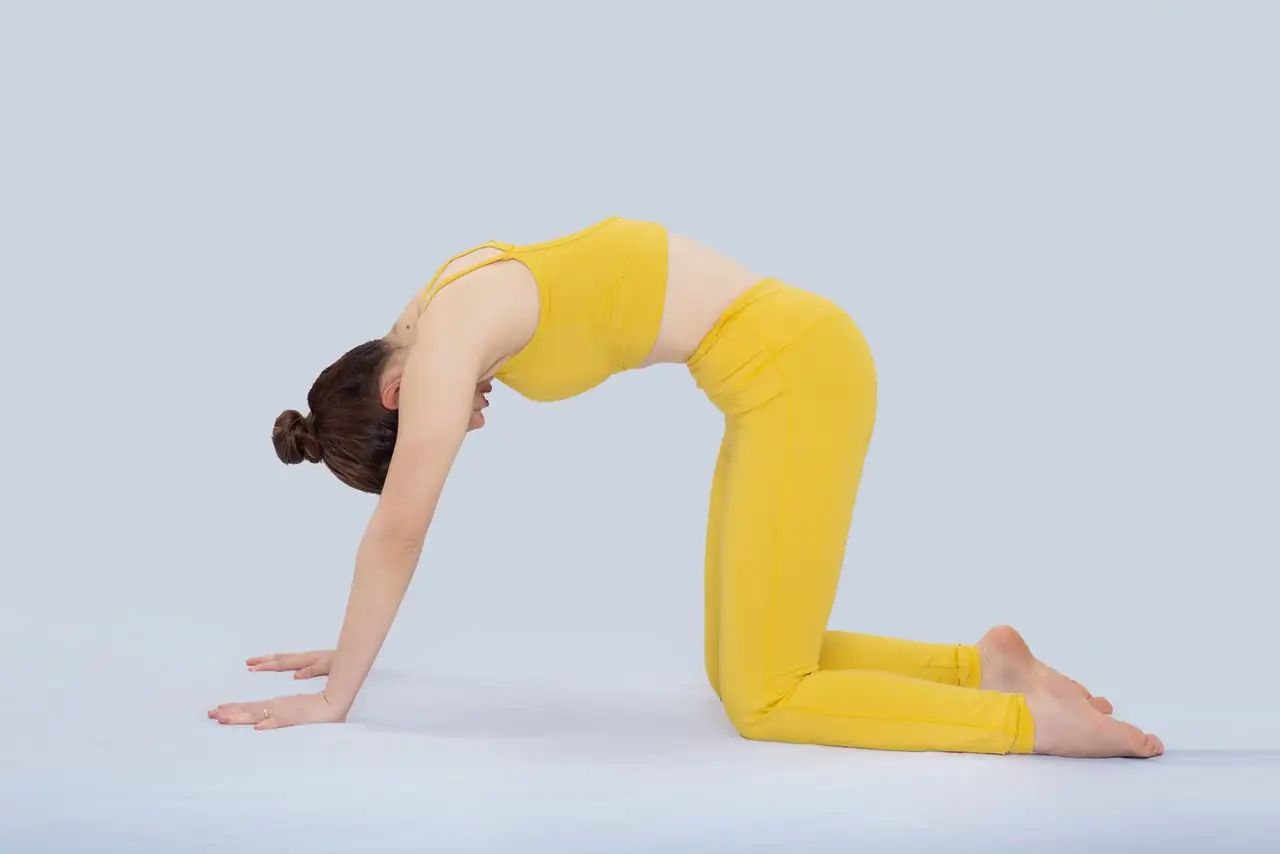
What causes back pain?
Often there is no single cause. Common contributors include:
- lifting something awkwardly or something that is too heavy;
- a sudden increase or decrease in activity, such as starting a new sport or a week of bed rest;
- sitting for long periods without breaks, at a desk or in traffic;
- stress, worry, low mood, poor sleep and fatigue, which NHS sources list among factors linked with sciatica and back pain;
- general health factors, such as being overweight, smoking and low fitness.
Understanding your own triggers is part of treatment. We will help you work out which ones apply to you.
How physiotherapy helps
- Assessment of your posture, how your back moves, strength and, if pain spreads into a leg, nerve signs such as reflexes and sensation. We also screen for red flags.
- Explanation of what is likely going on in clear language. Knowing that your back is strong and that most pain settles helps many people move with more confidence.
- Hands-on treatment such as joint mobilisation and therapeutic massage to ease pain and stiffness in the short term.
- Exercise therapy to restore movement and build strength in your back, hips and trunk. This is the core of treatment, in line with NICE guidance that manual therapy should only be used alongside exercise.
- Advice on sitting, lifting, sleep, work and gradually returning to activities you have been avoiding.
Gentle exercises often used for back pain
These are general examples found in NHS physiotherapy leaflets. They are not a substitute for an assessment. Move slowly, stay within comfort, and stop if pain spreads down your leg or gets sharply worse.
| Exercise | How to do it | Typical aim |
|---|---|---|
| Knee to chest | Lie on your back, hold behind your thighs and gently draw both knees towards your chest until you feel a comfortable stretch | Ease stiffness in the lower back |
| Knee rolls | Lie on your back, knees bent and together, arms out to the sides. Slowly roll both knees to one side, return to the middle, then go to the other side | Gentle rotation and mobility |
| Bridge | Lie on your back, knees bent, feet flat. Squeeze your buttocks and lift your hips until your body forms a line from shoulders to knees, then lower slowly | Strengthen buttock and back muscles |
| Walking | Short, regular walks, building up the distance over days | Stay active and reduce stiffness |
Walking, swimming, yoga and pilates may also help, according to NHS advice. Mild discomfort during exercise is acceptable if it settles soon afterwards.
Self-care tips for the first few weeks
- Keep moving. Continue daily activities as much as you can. Long periods of rest are likely to make pain worse.
- Use heat or cold packs for short-term relief.
- Pain relief from a pharmacist, used as directed, can help you stay active.
- Change position often. If you work at a desk, stand up and walk for a few minutes every hour.
- Stay positive. The NHS notes that people who stay optimistic tend to recover faster. Pain does not always mean damage.
Workplace ergonomics for a healthier back
Many of our clients work at desks in offices around Kacyiru, Kimihurura and the city centre. A few changes can help:
- Sit back in your chair with your lower back supported; a small cushion or rolled towel can help.
- Keep your feet flat on the floor or on a footrest.
- Set the top of your screen roughly at eye level, about an arm's length away. Use a laptop stand with a separate keyboard and mouse if you can.
- Keep frequently used items within easy reach to avoid twisting.
- For lifting at work or home, keep the load close to your body, bend your knees and avoid twisting while carrying.
For neck and shoulder issues related to desk work, see neck and shoulder pain treatment.
When to see a doctor first
Call 912 for an ambulance or go to a hospital emergency department immediately if you have back pain with:
- loss of bladder or bowel control, or difficulty passing urine;
- numbness around the genitals, buttocks or inner thighs;
- weakness or numbness in both legs, or unsteadiness on your feet;
- pain after a major fall or road accident;
- chest pain.
See a doctor soon if you have back pain with fever, unexplained weight loss, a history of cancer, or constant pain that does not ease when lying down or is worse at night.
If you are not sure whether your pain needs a doctor first, a general practitioner in Kigali can assess you and refer you for physiotherapy.
Book back pain treatment
Fill in the form below and choose "Back pain". Describe your symptoms briefly, including whether pain spreads into your leg. If travelling is difficult, ask about home physiotherapy. You can also read more about our general physiotherapy in Kigali.
Frequently asked questions
Should I rest when I have back pain?
For most common back pain, staying as active as possible and continuing daily activities helps recovery more than bed rest. The NHS notes that resting for long periods is likely to make the pain worse. A physiotherapist can show you safe movements and exercises.
Can physiotherapy help sciatica?
Physiotherapy is often used for sciatica, with exercises, advice on staying active and hands-on treatment. NHS sources say most sciatica settles within 6 to 12 weeks. If you have weakness in both legs or bladder or bowel problems, seek emergency care instead.
Do I need an X-ray or MRI first?
Most back pain does not need a scan. The WHO notes that about 90% of low back pain is non-specific, meaning no single cause shows on imaging. Your physiotherapist or doctor will advise if a scan is needed, for example if red flag signs are present.
How long does back pain usually last?
The NHS says back pain usually improves within a few weeks or months. Get help if the pain does not start to improve within a few weeks, stops you doing day-to-day activities, or is very severe or getting worse.
Is massage good for back pain?
Massage can ease muscle tension for a while. UK NICE guidance says manual therapy, including massage, should only be considered for low back pain as part of a treatment package that includes exercise, so we combine it with an exercise plan.
What is a slipped disc?
A slipped or herniated disc is when part of a spinal disc bulges and may irritate a nearby nerve, sometimes causing sciatica. Disc changes are also common in people with no pain. Many disc-related symptoms settle with time, activity and exercise. Your assessment guides treatment.
Can I keep working with back pain?
Usually yes, and staying at work often helps recovery. You may need short-term changes, such as more breaks from sitting, avoiding heavy lifting for a while or adjusting your desk. We can give you advice to share with your employer.