

After a stroke, regular rehabilitation helps many people regain movement and independence. Our stroke rehabilitation in Kigali focuses on the everyday goals that matter to you and your family: walking safely, using your arm and hand, getting in and out of bed, and doing more for yourself. Sessions can take place at the clinic or at home, and family members are always welcome.
Know the signs of a stroke
Stroke is a medical emergency. Remember FAST:
- Face: one side of the face may droop, and it may be hard to smile.
- Arms: the person may not be able to lift both arms and keep them there.
- Speech: speech may be slurred or confused.
- Time: call 912 for an ambulance immediately if you see any one of these signs.
Other sudden symptoms can include weakness or numbness down one side, loss of vision, dizziness or falling, confusion or a severe headache. Physiotherapy is for recovery after medical treatment, never a replacement for it.
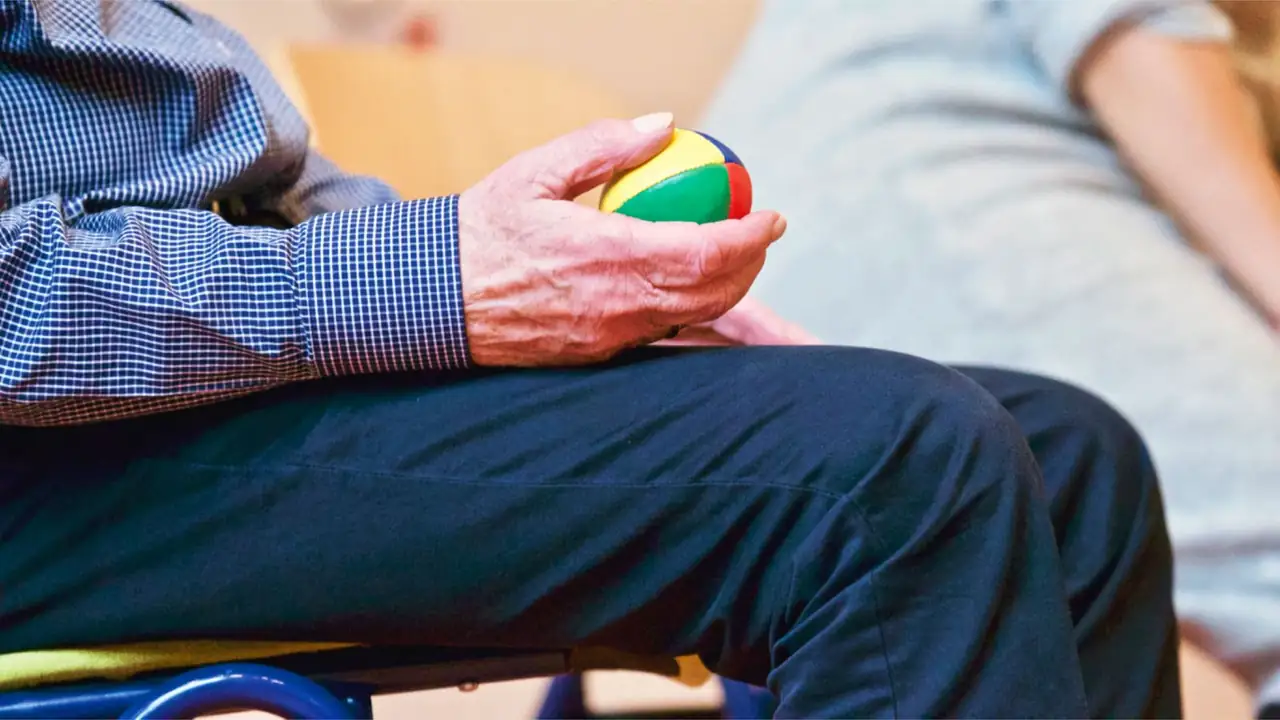
How a stroke can affect movement
Every stroke is different, depending on which part of the brain is affected. Common physical effects described by NHS and UK stroke services include:
- Weakness or paralysis on one side of the body.
- Balance and posture problems, which raise the risk of falls.
- Stiffness and spasticity, often at the wrist, fingers and ankle.
- Reduced coordination and sensation, making fine tasks harder.
- Fatigue, which is very common and affects how much someone can do each day.
Stroke can also affect speech, swallowing, memory, mood and vision. Physiotherapy works alongside doctors and other therapists who help with these.
What stroke rehabilitation includes
- Movement and strength exercises for the affected side, as well as the stronger side.
- Balance and walking practice, including choosing and using walking aids safely.
- Arm and hand function for daily tasks such as eating, dressing and washing.
- Transfers: getting in and out of bed, chairs, the toilet and cars safely.
- Managing stiffness with positioning, stretching and movement.
- Family training so carers can help safely between sessions.
Practising real tasks is a key part of modern stroke rehabilitation. Pouring water, fastening buttons or standing up to reach a shelf trains the brain in a way that isolated exercises alone may not.
What a typical session looks like
- Check-in: how the past days went, any falls, new symptoms, fatigue or pain.
- Warm-up and positioning: gentle movement to prepare stiff joints.
- Task practice: for example, sit to stand from a chair, stepping, walking a set distance, or reaching and grasping objects.
- Balance work: standing with support, weight shifting, turning safely.
- Home programme review: updating the exercises for the person and carer to practise daily.
Sessions are adapted to energy levels. Short, frequent practice is often better than long, exhausting sessions.
How long recovery takes
According to UK stroke services and the Chartered Society of Physiotherapy, the fastest recovery usually happens in the first three to four months. In the UK, NICE recommends at least 45 minutes of each relevant therapy, five days a week, during specialist stroke rehabilitation, which shows how much practice matters. Improvement after six months tends to be slower, but it can continue with regular, structured practice. We cannot promise a particular outcome; we can help you practise well and track progress honestly.
Goal-setting checklist for families
Use this list to think about goals before your first session:
- [ ] Walking: inside the house, outside, on slopes or stairs?
- [ ] Transfers: bed, chair, toilet, car?
- [ ] Self-care: washing, dressing, eating?
- [ ] Arm and hand: holding a cup, writing, using a phone?
- [ ] Safety: reducing falls, knowing what to do after a fall?
- [ ] Roles: returning to work, church, community activities or caring for grandchildren?
Support for carers
Caring for someone after a stroke is physically and emotionally demanding. Helping with transfers and walking can strain a carer's own back, especially when lifting from a low bed or a car seat. During sessions we show carers safe ways to assist, how much help to give (and when to step back so the person does the work), and what to do if the person falls. If you are a carer with your own aches, ask about back pain treatment. Look after your rest, share the load with other family members where you can, and tell your doctor if you feel overwhelmed.
Clinic or home
Sessions can take place at home, which many families find easier in the early months. See home physiotherapy in Kigali. Home visits let us practise in the person's real surroundings and give home safety advice on stairs, bathrooms and lighting. Later, clinic sessions can add more space and variety for walking and balance work.
Please share hospital discharge notes, scan reports and a list of medicines so we can plan treatment safely. If you are coming from a hospital such as CHUK or King Faisal Hospital, bring any notes from their rehabilitation team.
Insurance and licensing
Physiotherapists in Rwanda are licensed by the Rwanda Allied Health Professions Council. The RSSB medical scheme lists physiotherapy among covered services at facilities with an RSSB agreement, and private insurers vary. Check your cover, including for home visits, and contact us for a current quote.
Book stroke rehabilitation
Fill in the form below and choose "Stroke rehabilitation". Tell us when the stroke happened, the main difficulties and whether you prefer home or clinic sessions. Related services: physiotherapy in Kigali and therapeutic massage for muscle comfort as part of a wider plan.
Frequently asked questions
When should rehabilitation start after a stroke?
Rehabilitation usually starts in hospital as soon as the medical team says it is safe, often within a day or two. After discharge, continue as advised by the doctor treating the person who had the stroke. Share their advice and discharge notes with us when you book.
How long does stroke rehabilitation take?
Recovery is different for everyone. The fastest gains are usually in the first three to four months, but many people keep improving for much longer with regular, structured practice. We set goals together and review them often.
Can you treat at home?
Yes. Many stroke survivors prefer home physiotherapy, especially in the early months when travel is tiring. Working at home also lets us practise real tasks such as getting out of bed, using the toilet and moving around the house.
Is it too late to start physiotherapy months or years after a stroke?
It is rarely too late to work on goals. Improvement after six months is usually slower, but guided, structured practice can still bring measurable gains in walking, balance and daily tasks. We will assess and give you an honest view of what is realistic.
How can family members help?
Family members and carers can learn safe ways to help with transfers, walking and exercises, encourage daily practice and spot warning signs. Practice between sessions matters a lot, so we welcome carers to every visit.
What other therapy might be needed after a stroke?
Stroke can affect speech, swallowing, thinking, mood and vision as well as movement. Depending on needs, a person may benefit from occupational therapy, speech and language therapy or psychological support. We can discuss referrals with the medical team.
What are the signs of another stroke?
Use FAST: Face drooping, Arm weakness, Speech slurred or confused, Time to call for help. Other signs include sudden vision loss, dizziness, severe headache or weakness on one side. In Rwanda, call 912 for an ambulance immediately.